Unwholesomeness, (akuśala) is mentally toxic, morally harmful, and produces distressing actions; is created by the erroneous view of the Self. Unwholesome consciousness (akusalacitta) is consciousness accompanied by one or more of three unwholesome roots—greed, hatred, and delusion. Greed has the characteristic of always desiring more and the dissatisfaction of never having enough; Hatred has the characteristic of revulsion, contempt, anger, and disgust; and Delusion has the characteristic of an unyielding abnormal belief. The resulting five principal kleshas, or poisons to these are attachment, aversion, ignorance, pride, and jealousy. These unwholesome processes not only describe what we perceive but also determine our responses.
People continuously generate an interior narrative about their identity, their ‘self’, to which they are deeply attached. The construction and defense of this self-image is an ongoing activity of the basic drive the Buddha named “thirst” (tṛṣṇā). With the accompanying distortions, egoistic yearning and defilements are created. The delusion manifested is of the self-image as a stable, objectively valid reality, rather than as a temporary, conditioned mental construction. Once this belief is established and maintained, there is no need for any further justification to establish the intrinsically toxic nature of the unwholesomeness or (akuśala). They are mental qualities that are an illusion (false belief) to have.
They are called defilements since they are, by their nature, to-be-abandoned to end the toxicity they create. They are aggressive and defensive projections of the imagined needs of the constructed self: They are egotistical cravings (“want, desire”), self-protecting fears (“aversion, repulsion”), and avoidance of unpleasant realities that appear to threaten the integrity of the self-image (“delusion”).
In fact, once the delusion of the Self is realized, the orientation of the person is the opposite. What was once formulated negatively, the three wholesome roots now signify positive traits: Non-greed — unselfishness, liberality, generosity; thoughts and actions of caring and sharing; renunciation, dispassion. Non-hatred — loving-kindness, compassion, sympathy, friendliness, forgiveness, forbearance, impartiality, equanimity. Non-delusion — wisdom, insight, knowledge, understanding, intelligence, sagacity, discrimination.
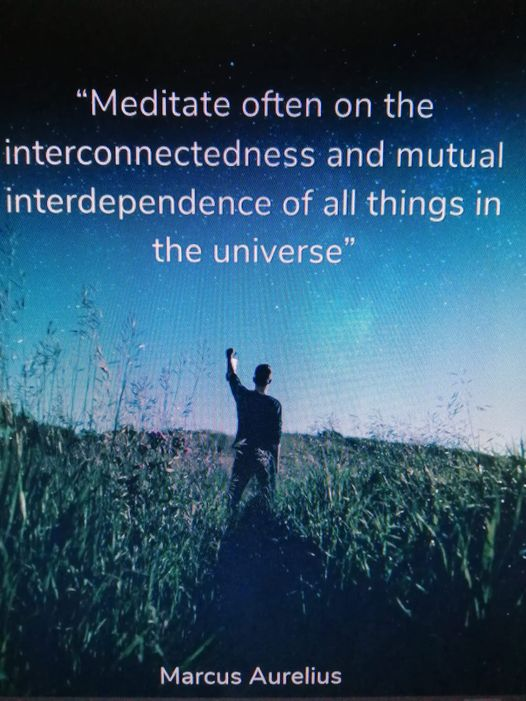




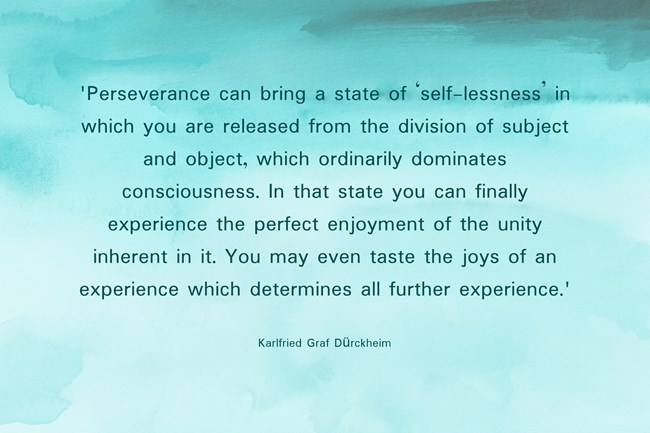
 We are all Interconnected even with the Universe